

Water damage does not always arrive as a flooded basement or water pouring through a ceiling. Sometimes the first sign is a damp carpet edge, a stain on drywall, a warped floorboard, or water beneath an appliance. What looks like a small problem on the surface can extend into walls, flooring systems, cabinets, insulation, and other building materials.
That makes the first hours after a water loss especially valuable. Professional restoration is not simply about removing visible water. The process includes identifying the water source, determining how far moisture traveled, evaluating affected materials, removing excess water, cleaning when needed, establishing drying goals, and monitoring moisture until those goals are reached.
For homeowners, commercial property owners, property managers, and insurance professionals throughout Philadelphia, Southampton, and Bucks County, common water damage myths can lead to poor decisions. Understanding what professional restoration actually involves makes the next step much easier.
Myth: “I Can Handle the Water Damage Cleanup Myself”
A mop, shop vacuum, and a few fans can remove some visible water. They cannot tell you what happened beneath the surface.
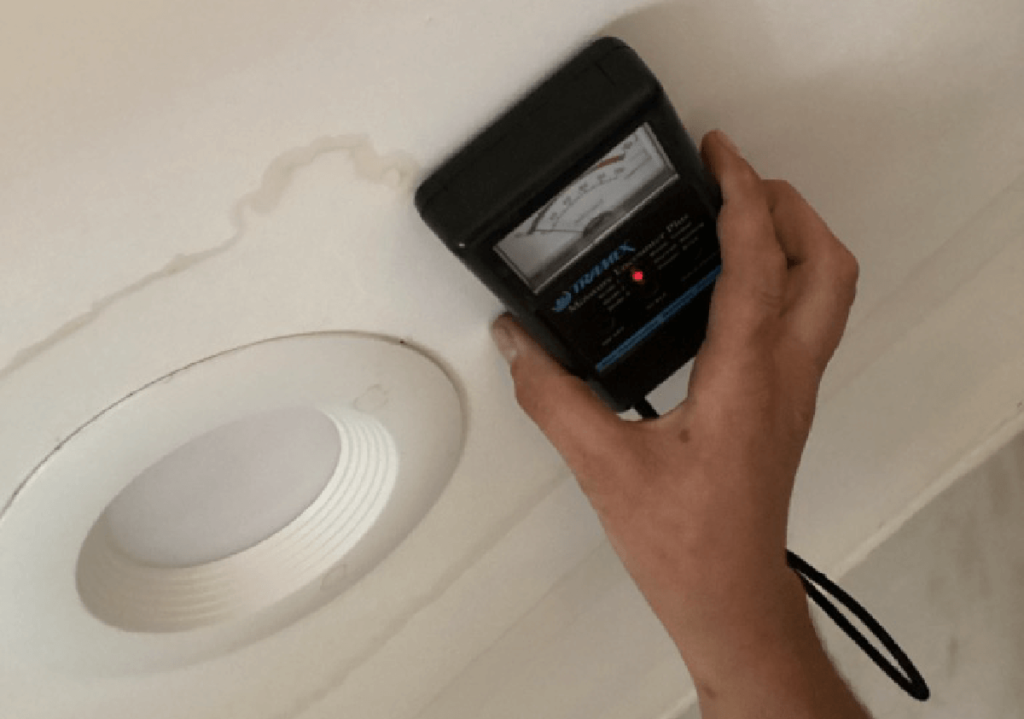
The ANSI/IICRC S500 Standard for Professional Water Damage Restoration calls for an initial moisture inspection that identifies the full extent of water intrusion. Professionals may use moisture sensors, non-invasive moisture meters, thermo-hygrometers, and thermal imaging cameras to help trace moisture. Thermal imaging findings are then verified with appropriate moisture-detection instruments.
Consider a supply line that breaks beneath a bathroom sink in a Southampton home. You may clean the tile and dry the cabinet floor, yet water can migrate into drywall, baseboards, adjoining flooring, or the wall cavity. In an older Philadelphia rowhome, water from an upper floor can also follow connected building assemblies into rooms below.
Rytech Restoration of Northeast Philadelphia uses professional moisture detection and drying methods to find the affected area before developing the restoration plan. That level of investigation separates professional mitigation from surface cleanup.
Myth: “Mold Only Develops After a Long Time”
Mold does not require weeks of standing water before moisture becomes a concern.
Mold spores occur naturally in indoor and outdoor environments. Once moisture creates suitable conditions, damp building materials can support growth. Rytech's technical knowledge materials reference water-damage cleanup guidance aimed at drying affected materials within 24 to 48 hours to help prevent mold growth.
That window can pass quickly. Imagine a refrigerator line slowly leaking beneath a kitchen floor while a family is away for the weekend. The visible puddle may be small when they return, but the flooring and materials underneath may have remained damp much longer.
Prompt water extraction and structural drying reduce the moisture that supports microbial growth. When mold growth is already present, professional containment and mold removal can help reduce harmful mold spores in the indoor environment while the underlying moisture conditions are addressed.
Myth: “Drying Out My Property Only Takes a Day or Two”
There is no universal two-day drying rule.
Water losses vary because materials absorb and release moisture differently. Drywall, plaster, wood framing, concrete, carpet, cabinets, insulation, and flooring assemblies do not all dry at the same rate. The amount of water, length of exposure, weather, building design, and indoor conditions also influence drying.
The IICRC S500 uses measurable drying goals rather than an arbitrary deadline. A dry standard provides a reasonable approximation of a material's moisture condition before the water intrusion, often using similar unaffected materials for comparison. Where applicable, S500 recommends a drying goal within 10 percent of that dry standard.
Monitoring continues while equipment operates. S500 calls for psychrometric conditions and material moisture measurements to be recorded at least daily, with adjustments to the drying plan when readings do not show satisfactory progress. Equipment should remain until drying goals have been verified and documented.
The calendar does not determine when a structure is dry. Measurements do.
Myth: “A Little Water Can't Cause Much of a Problem”
Water does not need to fill a room to travel beyond the place where you first find it.
S500 specifically notes that water can flow under walls or originate from above, which means adjoining rooms may need inspection even when no water is visible on their floor coverings. Professionals trace water migration because the visible wet area may not show the full extent of the loss.
Think about a small pipe leak inside a wall of a Bucks County home. Water can wet the drywall facing one room, the framing inside the wall, insulation, baseboards, and flooring along the bottom of the assembly. A commercial leak above an acoustic ceiling can spread horizontally before dripping becomes obvious below.
The amount of visible water tells only part of the story. Finding the edge of moisture migration provides a much better picture of the actual restoration needs.
Myth: “Household Cleaning Products Are Enough for Water Damage Cleanup”
Household cleaners have a job. Structural drying has a different one.
A cleaning product can remove soil from an accessible surface, but it cannot measure moisture inside drywall or determine whether water traveled beneath a finished floor. Cleaning also needs to match the type of contamination involved in the loss.
Professional water restoration combines several processes. Excess water is removed, affected areas are inspected, materials are evaluated, cleaning procedures are selected for the conditions, and remaining moisture is managed through a controlled drying process.
S500 defines cleaning as containing, removing, and properly disposing of unwanted substances. Drying involves removing excess moisture through drying science and psychrometric principles.
A bottle of household cleaner cannot perform those functions by itself.
Myth: “Everything Can Always Be Restored After Water Damage”
A restore-first approach can save building materials and reduce unnecessary demolition, but some materials reach a point where successful restoration is no longer practical.
Professionals consider the material, physical condition, contamination, duration of exposure, construction of the assembly, and whether the material can be cleaned and dried to an acceptable condition. S500 calls for cleaned and dried materials to be evaluated against predetermined restoration goals. The standard also recognizes that some structural materials, assemblies, and contents cannot be successfully restored despite restoration efforts.
That does not mean every wet material should automatically come out. Quite the opposite. Accurate moisture detection and drying science give technicians more information for determining what can stay.
Rytech Restoration of Northeast Philadelphia focuses on restoring materials when conditions support restoration and removing damaged materials that are beyond repair. This measured approach can help reduce unnecessary disruption to homes and commercial properties.
Myth: “Appliances Are Safe to Use Once They Look Dry”
A dry appliance exterior tells you very little about conditions inside it.
Water can reach wiring, controls, motors, insulation, connectors, and other components hidden behind panels. Flooding or water from an overhead leak can also affect electrical connections that cannot be evaluated by looking at the outside of an appliance.
A professional water damage inspection helps document where water traveled and what equipment or building systems were exposed. Specialized electrical or mechanical components can then receive the appropriate evaluation from qualified professionals.
For apartment buildings, restaurants, offices, retail spaces, and homes throughout Philadelphia and Bucks County, this distinction matters. Restoring the surrounding building materials and determining the condition of specialized equipment are separate parts of recovering from a water loss.
Myth: “Water Is Water. It’s All the Same.”
The source and contamination level of water can change the entire restoration approach.
The IICRC S500 uses three water categories based on the range of contamination, considering the source and what happens after the water contacts materials at the property. Time and temperature can also affect contamination.
Category 1 water originates from a sanitary source. Examples include broken water supply lines, certain tub or sink overflows without contaminants, and appliance malfunctions involving water-supply lines.
Category 2 water contains significant contamination and has the potential to cause discomfort or sickness through contact or consumption. Examples can include washing machine or dishwasher discharge and certain toilet overflows without feces.
Category 3 water is grossly contaminated and can contain harmful agents. Sewage, waste-line backflows beyond the trap, rising river or stream water, and certain contaminated weather-related water intrusions are examples.
The category influences cleaning, contamination control, material evaluation, and drying procedures. S500 directs restorers to address contamination before restorative drying on Category 2 and Category 3 projects.
Myth: “Regular Fans and Dehumidifiers Work Just as Well as Professional Equipment”
Moving air is only one part of structural drying.
When moisture evaporates from wet materials, that moisture moves into the surrounding air. A drying system must manage both sides of that equation. Professional restorers use air movement, dehumidification, temperature management, and moisture measurements together to create and maintain suitable drying conditions.
Even a property's normal HVAC system has limits. S500 explains that installed HVAC systems are designed primarily for normal building heat and moisture loads, not the additional moisture load produced by significant water damage. They generally are not engineered to function as structural dehumidification systems.
Rytech Restoration of Northeast Philadelphia combines industrial drying equipment with professional moisture detection. Technicians then monitor how materials respond and adjust the drying plan when measurements show that changes are needed.
Professional equipment matters, but trained people interpreting the measurements make the system work.
Myth: “There Are No Health Concerns If the Water Gets Cleaned Up Quickly”
Speed helps reduce exposure time and secondary damage, but the original water source and affected materials still matter.
A sanitary supply-line break creates different conditions from a sewage backup. Category 2 and Category 3 water can introduce microorganisms and other contaminants into the indoor environment, while prolonged dampness can create conditions that support microbial growth.
Professional assessment identifies those conditions before the restoration plan moves forward. The IICRC S500 directs restorers to document identified safety and health hazards and use the water category, extent of wetting, affected materials, and potential damage to guide the work plan.
That structured approach is valuable in a single-family home, but it becomes even more useful in occupied commercial buildings, multifamily properties, healthcare environments, and other spaces where many people can be affected by one water loss.
Myth: “Professional Water Damage Restoration Is Always Too Expensive”
Cost matters after property damage, but skipping a proper inspection does not tell you what the loss will ultimately cost.
Accurate moisture detection can help define the affected area rather than assuming an entire room needs the same treatment. Drying measurements can also show whether materials are responding to restoration. Together, those steps support a targeted scope of work.
This is where professional documentation adds value for more than the property owner. Insurance agents, adjusters, carriers, property managers, and other interested parties need clear information about what happened, what materials were affected, and how restoration is progressing. S500 calls for relevant project information, inspection findings, measurements, and decisions to be documented throughout the restoration process.
Most homeowners do not work through property claims every day. Rytech's experience working with insurance professionals can help make the restoration portion of that process easier to understand while keeping documentation and communication moving.
Myth: “Once the Area Looks Dry, There’s No Lasting Problem”
Dry-looking and dry are not the same thing.
Painted drywall may appear normal while moisture remains inside the material. Carpet fibers can feel dry while moisture remains in the pad or subfloor. Wood flooring may look fine from above while elevated moisture exists deeper in the assembly.
Professional moisture meters provide information that sight and touch cannot. Thermal imaging can help identify patterns associated with possible moisture, but S500 directs restorers to verify those findings with moisture-detection instruments.
That distinction has real value in Philadelphia-area buildings. Older homes may contain plaster, wood flooring, masonry, and layered renovations, while newer homes and commercial properties can contain complex flooring, wall, insulation, and ceiling assemblies.
A visual check tells you what the surface looks like. Moisture measurements tell you how the material is responding.
Myth: “If I Don’t See Damage Right Away, There Isn’t a Problem”
Some of the most easily missed water damage happens out of sight.
A pipe can leak inside a wall. Water can spread beneath luxury vinyl plank or hardwood flooring. A roof leak may wet insulation before a ceiling stain appears. Water from an upstairs unit can follow wall cavities downward into another part of a multifamily property.
S500 calls for the initial moisture inspection to continue outward from the source until the extent of migration has been identified and documented. A moisture map can then show areas affected by migrating water.
Imagine a second-floor bathroom leak in a Philadelphia rowhome. The bathroom floor might show little damage, while water has traveled into the ceiling assembly below and along adjoining walls. That is exactly the type of situation where professional detection equipment changes the conversation.
Instead of asking, “Where can I see water?” the better question becomes, “Where did the water travel?”
How Professionals Decide What Can Be Restored
Restoration decisions are based on conditions, not assumptions.
Technicians consider what material became wet, the water category, the amount of moisture, how long exposure continued, physical deterioration, contamination, and whether the material can be cleaned and dried successfully. The composition of the assembly matters too. A wood component, gypsum wallboard, carpet cushion, plaster wall, and hard-surface floor can respond very differently to the same event.
S500 defines drying goals as target moisture levels or moisture contents established by a qualified restorer. Those goals are designed to return materials to an acceptable condition and inhibit microbial growth.
Contents add another layer to the decision. Cost and condition matter, but sentimental or business value can also affect how an item is approached. A family photograph, business record, specialty furnishing, or one-of-a-kind item may deserve a different evaluation than a common disposable material.
The goal is not to remove everything that got wet. The goal is to understand what can be successfully restored and remove materials that are beyond repair.
Local Philadelphia Experience Adds Context to the Inspection
Technical standards create a consistent foundation, while local experience helps technicians understand what they are looking at.
Rytech Restoration of Northeast Philadelphia is based in Southampton in Bucks County and serves homes and commercial properties throughout the greater Philadelphia region. The local service area includes communities such as Philadelphia, Pottstown, Lawncrest, Lansdale, West Chester, and Downingtown, along with properties across Philadelphia, Montgomery, Bucks, Chester, Delaware, and Lehigh counties.
The building stock across this region is diverse. Technicians can encounter older Philadelphia rowhomes, masonry construction, plaster walls, wood flooring, finished basements, suburban single-family homes, multifamily properties, offices, retail spaces, warehouses, and newer commercial construction. Plumbing failures, appliance leaks, roof intrusion, basement water, frozen pipes, and storm-related losses can each move moisture through those buildings differently.
“Years of responding to water losses around Philadelphia and Bucks County teach you not to judge a job by the puddle you can see. We work in older rowhomes with plaster, masonry, and wood floors, suburban homes with finished basements, and commercial properties with layered wall and flooring systems. A frozen pipe, appliance leak, roof problem, or plumbing failure can send water into places a property owner would never think to check. Our experience helps us know where to investigate, while professional moisture readings tell us what is actually happening inside those materials.”
Bill Crouthamel, Owner, Rytech Restoration of Northeast Philadelphia
That combination of local building knowledge and measured restoration practices helps turn an uncertain situation into a documented plan.
Why Property Owners and Insurance Professionals Choose Professional Water Restoration
The value of a restoration professional is not measured by how many fans arrive at the property. It comes from the process behind the equipment.
Rytech Restoration of Northeast Philadelphia provides 24/7/365 emergency service with certified technicians for residential and commercial properties. The current Rytech business profile also emphasizes professional water damage restoration, mold remediation, decontamination, flood cleanup, and access to live specialists who can help customers begin the response process.
For a homeowner, professional service means having someone explain what became wet and how drying will be measured. A commercial owner or property manager gains a structured response designed to help control disruption. Insurance agents, adjusters, carriers, and referral partners receive clearer information and documentation that can support communication about the loss.
Rytech also brings decades of restoration experience to the local response. Advanced moisture detection, drying science, documentation, and a restore-first mindset help the team focus on saving materials when conditions allow while removing materials that cannot be successfully restored.
When water reaches places you cannot see, professional water damage restoration services in Philadelphia can help identify moisture migration, remove excess water, evaluate affected materials, establish drying goals, and document progress until those goals have been achieved.
Get Inspected to Stay Protected With Rytech Restoration of Northeast Philadelphia
A wet basement in Southampton, a pipe leak in Philadelphia, water beneath flooring in Pottstown, or an appliance failure in a Bucks County home can become more complicated when moisture travels beyond the visible area. You do not have to guess about what got wet or whether materials are drying properly.
If you are dealing with water damage or have questions about suspected hidden moisture in your home, business, rental property, or managed property, contact the local team at Rytech Restoration of Northeast Philadelphia. A professional inspection can help define the affected area and give you clearer information about the next step.


