
Understanding Water Damage in Greater Philadelphia
Water damage is a serious concern for homeowners, business owners, and property managers in Greater Philadelphia. The region’s harsh winters, heavy rains, and high humidity make water damage a year-round risk. Whether it’s a burst pipe from freezing temperatures, a flooded basement after a heavy storm, or a slow leak from aging plumbing, the impact can be devastating if not addressed quickly.
In cities like Southampton, Philadelphia, Abington Township, Warminster, Bensalem, and Andalusia, PA, many properties—especially older homes and commercial buildings—are particularly susceptible to water damage. If left untreated, moisture can lead to structural deterioration, mold growth, and costly repairs. Understanding the most common causes of water damage in this area can help property owners spot potential problems early and take action before the damage worsens.
Common Causes of Water Damage in Greater Philadelphia
Water damage can happen unexpectedly and cause significant problems for homeowners and businesses in Greater Philadelphia. The region’s changing seasons, heavy storms, and aging infrastructure all contribute to an increased risk of water-related issues. Whether it’s a burst pipe in the winter, basement flooding after a heavy storm, or a slow plumbing leak behind the walls, the consequences can be costly if not addressed quickly. Recognizing the most common causes of water damage and the warning signs can help property owners take preventive measures and act fast when problems arise. Below are some of the leading causes of water damage in Philadelphia, Southampton, Abington Township, Warminster, Bensalem, and Andalusia, along with tips on how to spot them before they cause major destruction.
Freezing Temperatures & Burst Pipes
Pennsylvania winters can be brutally cold, and when temperatures drop below freezing, water inside pipes can freeze and expand. This pressure can cause pipes to crack or burst, leading to significant water damage in homes and businesses.
Signs to Look For:
- Reduced or no water flow from faucets
- Frost or ice buildup on exposed pipes
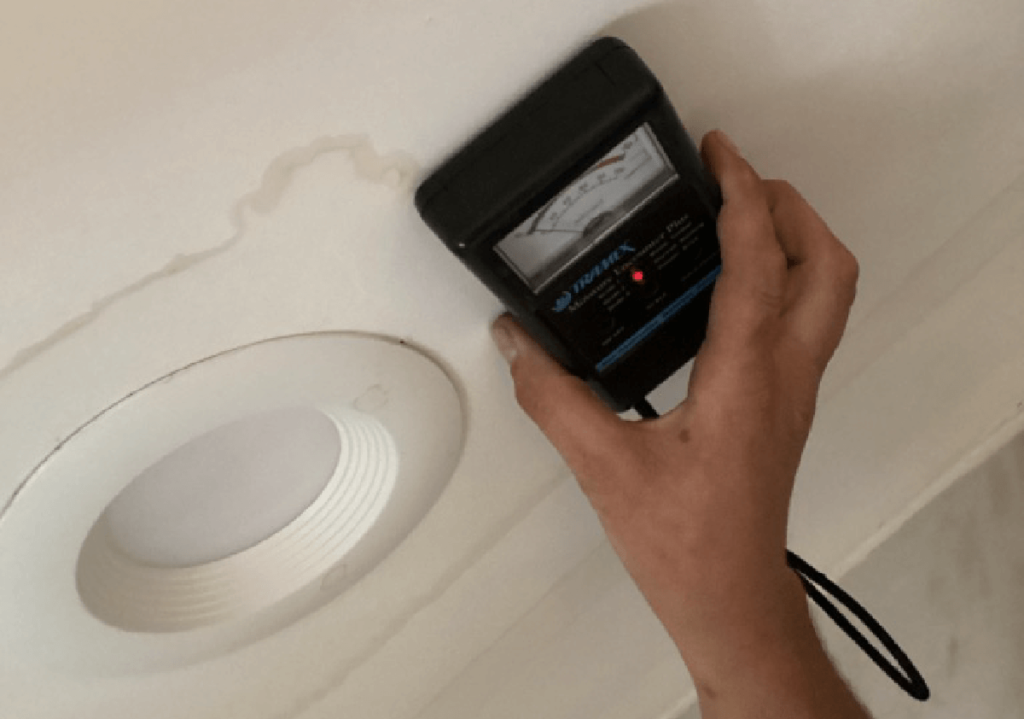
- Unexpected water stains on walls, ceilings, or floors
Local Insight: Older homes in Philadelphia, Abington Township, and Southampton often have plumbing systems that are more vulnerable to freezing due to poor insulation or outdated materials.
Heavy Rain & Flooding
Spring and summer in Greater Philadelphia bring frequent thunderstorms, and in some cases, flooding. When the ground becomes saturated, excess water can seep into basements and crawl spaces, causing long-term moisture problems.
Signs to Look For:
- Standing water in basements or around the foundation
- Musty odors or damp carpet in lower levels
- Visible water damage on drywall or wood surfaces
Local Insight: Areas like Bensalem and Warminster are prone to flooding due to their proximity to rivers and low-lying land. Poor drainage systems can make the problem worse.
Roof Leaks & Gutter Issues
A compromised roof is one of the most common sources of water intrusion. Over time, weather conditions like high winds, ice buildup, and heavy rain can cause shingles to loosen or gutters to clog, allowing water to leak inside.
Signs to Look For:
- Water stains or discoloration on ceilings
- Peeling paint or sagging drywall
- Dripping sounds from the attic or walls
Local Insight: Many homes in Philadelphia and Andalusia have aging roofs that may not be equipped to handle severe weather, increasing the risk of leaks and water damage.
Plumbing Leaks & Sewer Backups
Leaky pipes, clogged drains, and sewer backups can cause serious water damage, especially in older buildings with outdated plumbing systems. Corrosion, high water pressure, or simple wear and tear can all contribute to slow leaks that go unnoticed until they cause major damage.
Signs to Look For:
- Higher-than-usual water bills
- Water pooling under sinks or appliances
- Slow or gurgling drains
Local Insight: Many older homes and businesses in Abington Township and Southampton still rely on aging plumbing infrastructure, which can make them more susceptible to leaks and sewage backups.
HVAC & Appliance Leaks
Water heaters, air conditioning units, and washing machines can develop leaks if they are not properly maintained. Condensation buildup, clogged drain lines, or worn-out hoses can cause water damage over time.
Signs to Look For:
- Water pooling around appliances
- Rust or corrosion near water connections
- Moldy smells in laundry rooms or mechanical closets
Local Insight: With Philadelphia’s hot, humid summers, air conditioning systems run continuously. If drain lines get clogged, condensation can back up and cause water damage inside walls or ceilings.
What to Do if You Find Water Damage
"In Northeast Philadelphia, water damage can happen fast—whether from freezing pipes in the winter, heavy rains, or aging plumbing. The key is early detection and quick action to prevent costly repairs and mold growth. As a local restoration expert, I’ve seen firsthand how fast water damage can spread, and that’s why we’re here to help homeowners and businesses recover quickly and effectively."
Bill Carouthamel, Co-Owner, Rytech Restoration of NE Philadelphia
Water damage can worsen quickly, leading to mold growth in as little as 24 to 48 hours. If you discover water damage, taking immediate action is crucial. Excess moisture trapped in walls, floors, and ceilings can create the perfect breeding ground for mold, which can spread rapidly and affect indoor air quality. A professional mold inspection can help identify hidden mold growth and determine the extent of contamination. If mold is present, expert mold remediation is necessary to safely remove it, prevent further spread, and restore a healthy indoor environment. Addressing water damage quickly not only protects your property but also helps prevent costly repairs and potential health risks for occupants.
Steps to Take Immediately:
✅ Shut off the water source (if applicable) to stop further flooding.
✅ Avoid standing water if it’s near electrical outlets or appliances.
✅ Move valuables and furniture away from affected areas to prevent further damage.
✅ Document the damage with photos and videos for your insurance provider.
✅ Call a professional water damage restoration company to begin drying and repairs.
Who to Call for Help
When water damage occurs, it’s essential to work with a professional restoration company that understands the unique challenges of Greater Philadelphia’s climate, building structures, and weather risks.
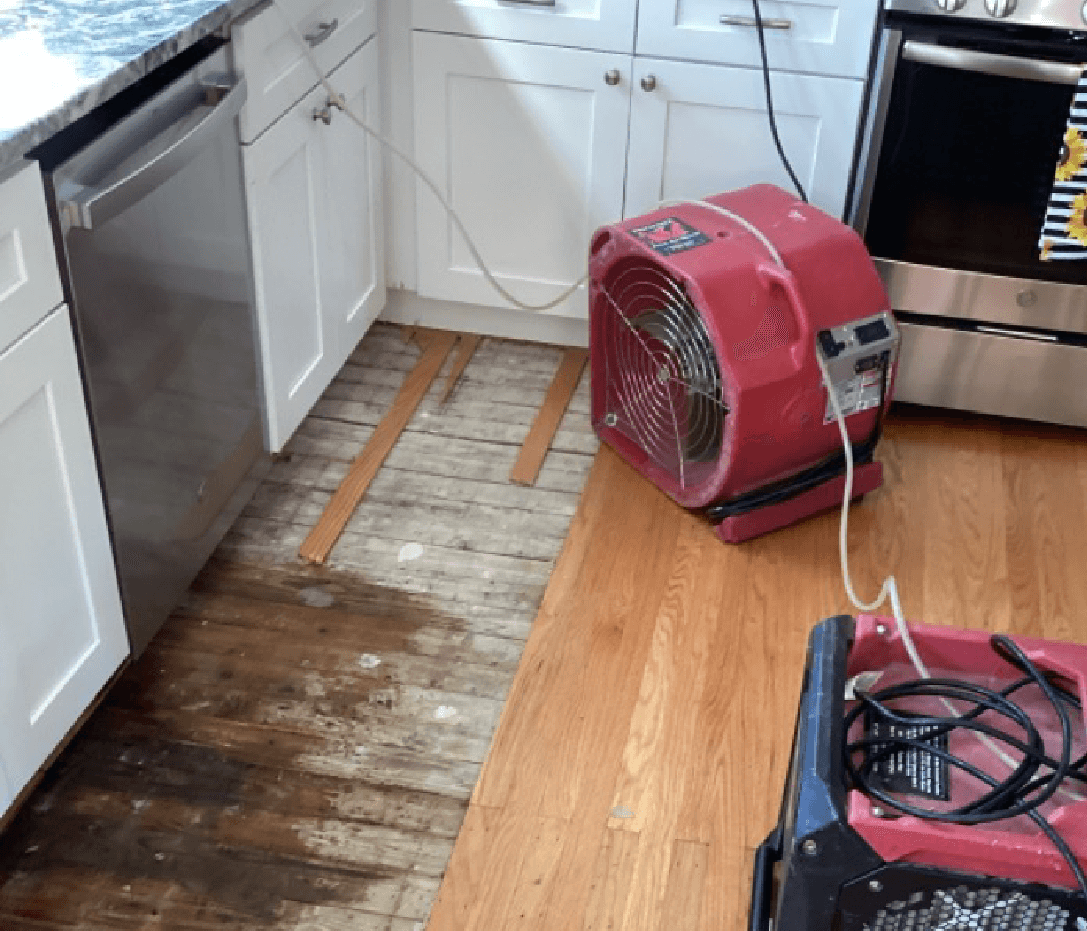
At Rytech Restoration of Northeast Philadelphia, we specialize in fast, professional water damage restoration services for homes and businesses in Southampton, Philadelphia, Abington Township, Warminster, Bensalem, and Andalusia, PA. Our team of IICRC-certified technicians uses advanced moisture detection and drying techniques to minimize damage and restore your property as quickly as possible.
Why Choose Rytech Restoration of Northeast Philadelphia?

✔️ 24/7 emergency response – We’re ready to help when you need us most.
✔️ Minimally invasive drying techniques – We focus on saving materials rather than tearing them out.
✔️ Certified and experienced technicians – Our team is trained to handle any level of water damage.
✔️ Advanced moisture detection equipment – We locate hidden water to ensure a thorough restoration.
✔️ Insurance-friendly service – We work directly with your insurance provider to simplify claims.
If you’re facing water damage in Greater Philadelphia, don’t wait—Call Rytech Restoration today for a free consultation. Fast response, expert service, and peace of mind—let’s restore your property today!
Frequently Asked Questions: Get Answers to Your Water Damage Concerns!
At Rytech Restoration of Northeast Philadelphia, we know how stressful unexpected water damage can be. To help you through this tough time, we've put together a comprehensive FAQ section. Here, you'll find detailed information about our services, the restoration process, and what to expect when you work with us.


