
When water damage strikes, every decision matters.
From frozen pipes in the winter to flooded basements after heavy rain, water damage is one of the most common — and stressful — property issues faced by homeowners and business owners in Philadelphia.
When it happens, most people react fast, grabbing mops, towels, or shop vacs to get the water out. That’s a great start — but what about the water you can’t see?
"As the owner of Rytech Restoration of Northeast Philadelphia, I’ve seen how DIY cleanup can look successful at first — but weeks later, the same property is dealing with mold, warped flooring, or musty odors. The difference between “cleaned up” and fully restored is understanding how water behaves — and following IICRC-certified drying standards designed to protect your property long-term."
Bill Crouthamel, Owner, Rytech Restoration of Northeast Philadelphia
Let’s explore the difference between DIY cleanup and professional water damage restoration, and help you decide what’s best for your home, business, or rental property.
Understanding Water Damage: The Hidden Threat Beneath the Surface
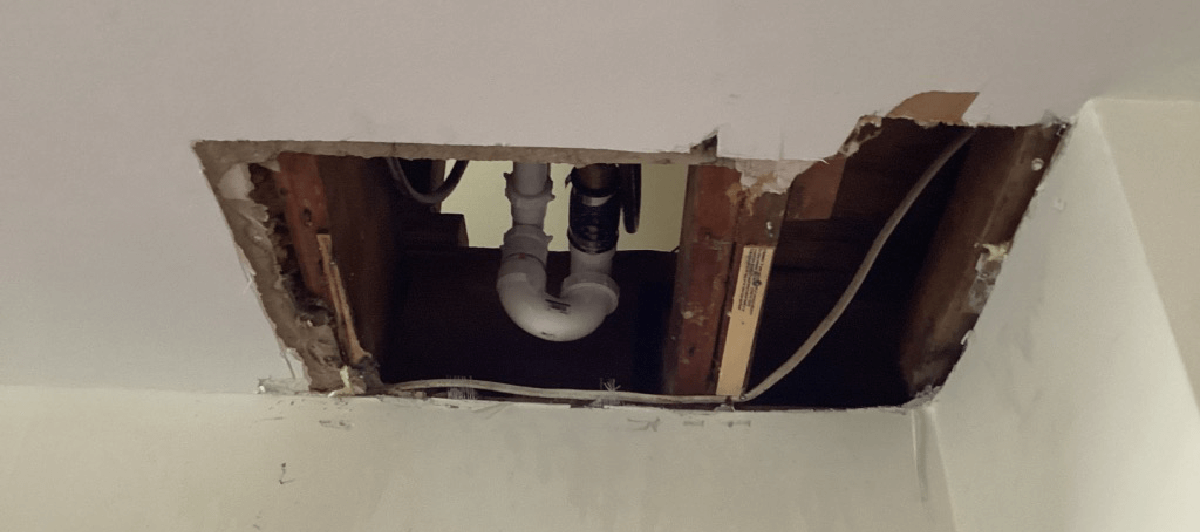
Water damage in Philadelphia doesn’t just soak your floors — it spreads invisibly through porous materials like drywall, insulation, wood framing, and flooring. Once it’s trapped, moisture can remain hidden long after surfaces look dry.
According to the ANSI/IICRC S500 Standard for Professional Water Damage Restoration, every water loss is categorized by the type of water and the extent of saturation:
Categories of Water Damage
- Category 1: Clean Water — from a broken supply line or appliance leak. Initially safe, but can quickly become contaminated.
- Category 2: Gray Water — contains moderate contamination from sources like washing machines or sump backups.
- Category 3: Black Water — grossly contaminated from flooding, sewage, or storm runoff.
Even clean water can turn into Category 2 or 3 within 48 hours if not properly extracted and dried — and Philadelphia’s variable climate makes this even more challenging.
The DIY Route: What Most Property Owners Try
When water damage happens, homeowners and business owners often start with the basics:
- Towels, mops, or shop vacs to remove standing water.
- Household fans or heaters to “air dry” the space.
- A store-bought dehumidifier.
- Cleaning with bleach or disinfectant to stop mold.
These are understandable first steps — but they don’t address hidden moisture or contamination.
Why DIY Water Cleanup Often Fails
- Hidden Water Damage: Water travels through cracks, under flooring, and behind baseboards. Without thermal imaging or moisture meters, you can’t detect it.
- Humidity Control: Philadelphia’s humidity levels make drying unpredictable. Excess moisture in the air slows evaporation and encourages mold.
- Mold Growth: Mold can begin growing in as little as 24 hours after a leak.
- Health Hazards: Water from sump backups or storms can contain bacteria, pesticides, or sewage.
- Insurance Issues: DIY cleanup lacks professional documentation — which may delay or reduce insurance claim approvals.
The Professional Restoration Advantage

At Rytech Restoration of Northeast Philadelphia, we follow the IICRC S500 Standard of Care for every job. Our process is built on science, precision, and compassion — ensuring your property is completely dry, safe, and documented for insurance.
Here’s how professional restoration compares to DIY cleanup:
24/7 Emergency Response
Water damage doesn’t wait — and neither do we. Our certified local team responds within four hours or less, day or night, minimizing damage and preventing mold.
Advanced Moisture Detection
We use thermal imaging cameras, hygrometers, and moisture meters to locate trapped water behind walls, ceilings, and flooring — places DIY methods miss.
Controlled Drying and Dehumidification
Our equipment — including industrial-grade dehumidifiers and high-powered air movers — balances airflow, humidity, and temperature using psychrometry, the science of drying.
Safe Cleaning and Disinfection
We apply EPA-approved antimicrobial solutions to help reduce microbial growth and ensure a safe indoor environment for your family, tenants, or employees.
Documentation for Insurance
Every reading, moisture map, and progress update is recorded and shared with you and your insurance carrier — ensuring transparency and peace of mind.
Final Verification
We verify that all materials have reached normal moisture levels before completing the job, guaranteeing a safe and complete restoration.
DIY vs. Professional: The Real Cost Breakdown
| Factor | DIY Cleanup | Professional Restoration (Rytech) |
|---|---|---|
| Upfront Cost | Low | Moderate |
| Hidden Damage Risk | High | Low |
| Drying Accuracy | None | Scientifically measured |
| Mold Prevention | Not guaranteed | Controlled & verified |
| Insurance Documentation | None | Complete |
| Long-Term Cost | High (repairs, mold remediation) | Lower (prevention-focused) |
DIY may look like a cost-saver, but when secondary damage like mold or warped flooring occurs, the cost multiplies. Professional restoration prevents those long-term losses — and gets you back to normal faster.
When DIY Might Be Okay (and When It’s Not)
DIY Cleanup Might Work If:
- It’s a small spill on tile, concrete, or another nonporous surface.
- You can clean and dry it completely within 24 hours.
- There’s no contamination or visible mold.
Call Rytech If:
- The water came from a pipe break, storm, or flood.
- It reached drywall, carpet, cabinets, or baseboards.
- You smell musty odors or see staining.
- It’s been more than 12 hours since the incident.
- You’re managing a multi-unit, rental, or commercial property.
Our 7-Step Water Damage Restoration Process
- Emergency Response (Within 4 Hours) – 24/7 rapid response to stop the damage.
- Inspection & Moisture Mapping – Identify source, category, and scope.
- Water Extraction – Remove standing and trapped water with industrial equipment.
- Drying & Dehumidification – Scientifically control temperature, humidity, and airflow.
- Cleaning & Sanitization – Apply antimicrobial treatments and deodorize.
- Monitoring & Documentation – Daily readings ensure accountability.
- Final Verification – Confirm dryness and safety before completion.
Philadelphia’s Unique Water Damage Challenges
Philadelphia’s mix of historic buildings, basements, and seasonal weather makes DIY drying especially risky.
- Cold winters lead to frozen pipe bursts.
- Summer humidity traps moisture and slows evaporation.
- Older homes with plaster or brick retain water longer than modern materials.
- Flat commercial roofs are prone to leaks and standing water issues.
Take the Next Step: Protect Your Property Today
If you’ve experienced water damage in Philadelphia, Bensalem, Abington, Huntingdon Valley, or Montgomery County, don’t wait — the longer you delay, the greater the risk of mold and costly repairs.
Rytech Restoration of Northeast Philadelphia provides fast, certified, and compassionate service — 24 hours a day, 7 days a week. We’ll handle everything from water extraction to insurance documentation so you can get back to normal faster.
Frequently Asked Questions: Get Answers to Your Water Damage Concerns!
At Rytech Restoration of Northeast Philadelphia, we know how stressful unexpected water damage can be. To help you through this tough time, we've put together a comprehensive FAQ section. Here, you'll find detailed information about our services, the restoration process, and what to expect when you work with us.


