
Imagine a typical Philadelphia winter. A sudden drop in temperature causes a pipe in a Northeast Philly row home to burst, flooding the basement. In the same neighborhood, a heavy rainstorm causes street flooding, which seeps into a nearby business's lower level. These scenarios are all too familiar to Philadelphia homeowners, business owners, and property managers. Water damage can be a silent and slow-moving threat, but its impact can be devastating.
This article explores the various types of damage Rytech’s experienced restoration pros have seen water cause in Philadelphia, the common causes of water damage, and the steps you can take to prevent it. If you’ve ever wondered, "What damage can water cause?"—you’re in the right place. Here, we'll also share insights from Rytech Restoration of Northeast Philadelphia on why it’s crucial to act fast and how our local expertise and services can help protect your property.
Understanding Local Risks To Philadelphia
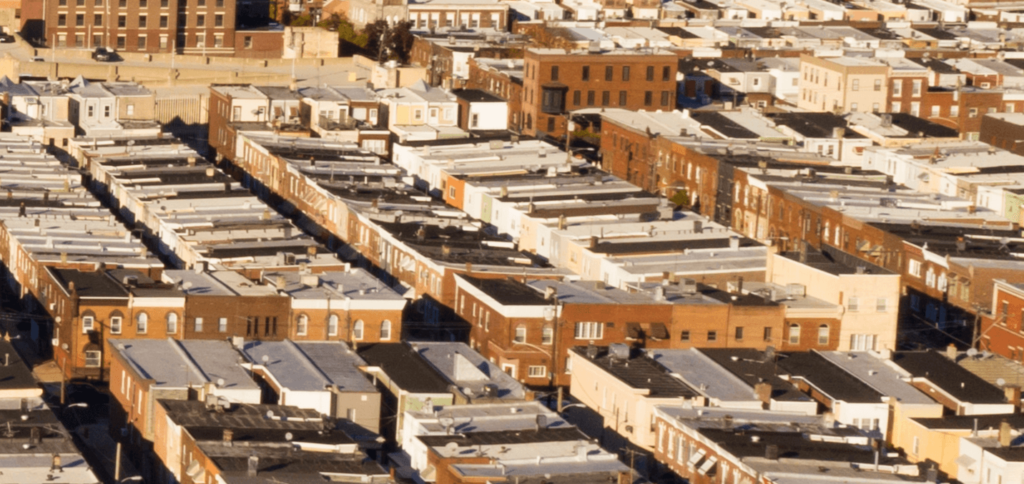
Philadelphia’s climate, geography, aging infrastructure and architecture make it especially susceptible to water damage. Older homes with outdated plumbing, basements prone to flooding, and buildings with aging roofs and foundations are common across the city. Understanding the specific risks and signs of water damage can help you take proactive steps to protect your property.
Common Types of Water Damage in Philadelphia
Water damage in Philadelphia can manifest in many ways, each with unique challenges and implications. Understanding these can help you take preventative measures or know when to call in professionals like Rytech Restoration.
- Mold: When moisture infiltrates homes or businesses, it creates an ideal environment for mold to grow. Mold can develop within 24 to 48 hours of water exposure, especially in humid basements or around leaky plumbing. This not only damages surfaces but also poses significant health risks.
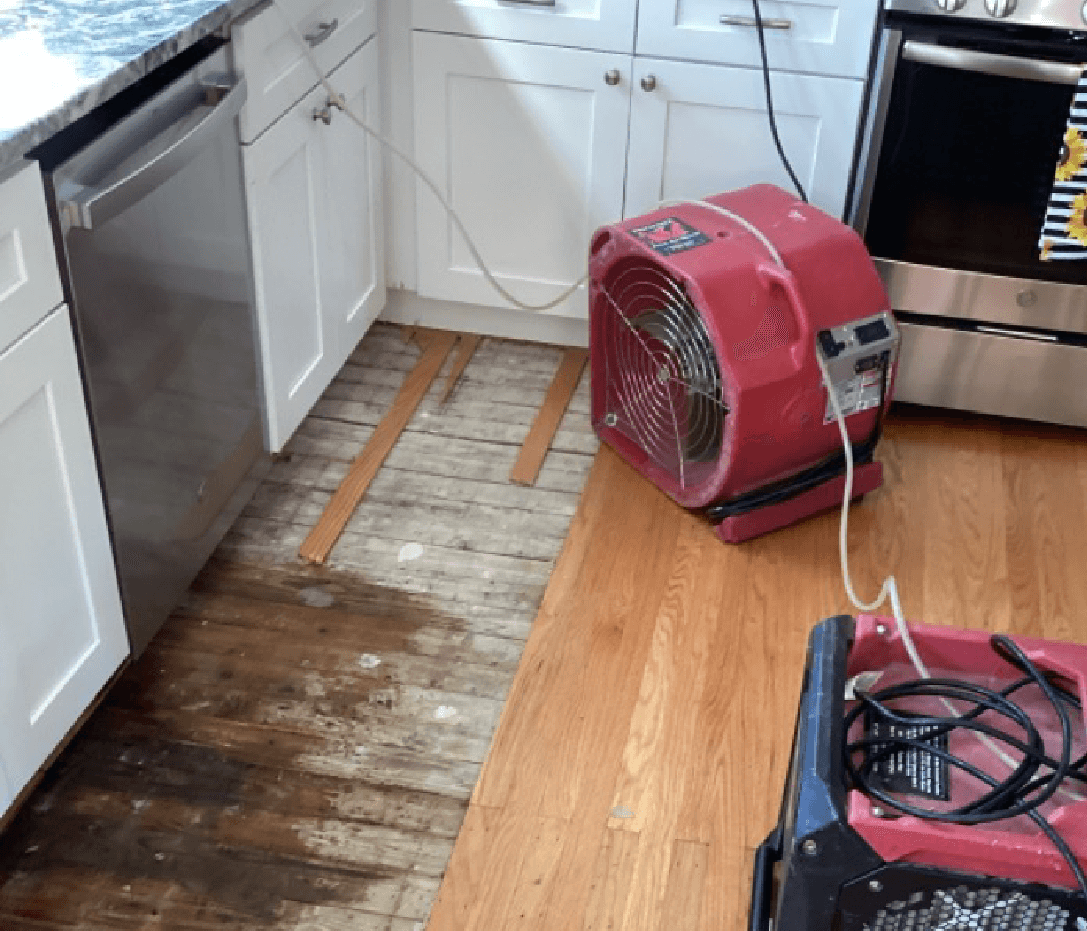
- Floor Damage: Water can warp hardwood floors, stain tiles, and cause carpets to delaminate. In Philadelphia's older homes, original wood floors can swell, crack, or buckle if exposed to prolonged moisture.
- Structural Damage: Long-term water exposure can weaken a building’s structure, compromising its and your safety. This is particularly concerning for Philadelphia’s historic and older buildings, where water can deteriorate original materials beyond restoration.
- Electrical Damage: Water and electricity are a dangerous combination. Leaks can reach electrical wiring and outlets, causing short circuits or even fires. Rytech’s tech pros strongly recommend staying away from the affected area if electrical wiring poses a threat.
- Health Hazards: Standing water can harbor bacteria and other pathogens, leading to respiratory issues and other health concerns, especially if the water source is contaminated. At Rytech Philadelphia, we love pets. Please remove them from the property to keep them safe after large scae water damage. Harmful bacteria can enter their digestive system through direct exposure to food, and poor air quality could lead to respiratory issues.
- Musty Odors: Persistent moisture can cause unpleasant, musty odors, often a sign of hidden mold or mildew.
- Bubbled Paint: Water can cause paint to bubble and peel, especially on walls and ceilings, indicating underlying water damage.
- Ceiling Water Damage: Leaks from roofs or plumbing can lead to water stains and weakened ceilings, posing a risk of collapse.
- Plumbing Leaks: Unnoticed leaks can cause significant damage over time, soaking through walls and floors, and leading to mold growth.
- Carpet Delamination: Water damage can cause the adhesive backing of carpets to separate, ruining the carpet and potentially the subflooring beneath.
- Discoloration and Oxidation: Water exposure can cause rust and discoloration on metal surfaces and stains on walls and ceilings.
- Peeling Wallpaper: Water behind wallpaper can cause it to peel away, often indicating deeper moisture issues within the walls.
- Property Damage: Beyond structural issues, water can damage furniture, electronics, and personal items, leading to costly replacements.
- Infestation: Moist environments attract pests like termites, roaches, and rodents, which can lead to additional damage and health risks.
- Increased Water Bills: Leaks can also cause an unexpected spike in water usage, leading to higher bills.
Common Causes of Water Damage in Philadelphia
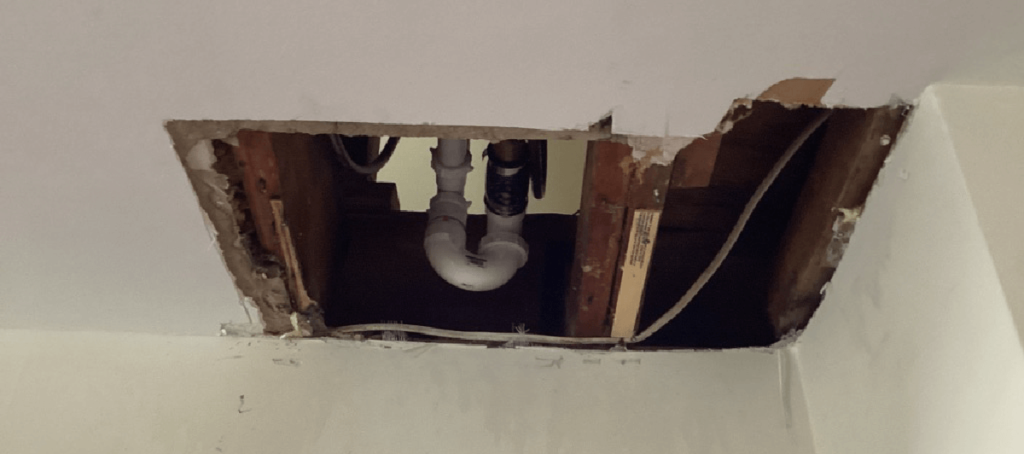
Understanding the common causes of water damage can help Philadelphia residents take proactive steps to protect their properties. Philadelphia’s unique combination of climate, aging infrastructure, and historical architecture presents distinct challenges when it comes to preventing and managing water damage. Below, we outline the primary causes of water damage in the city and what you can do to mitigate these risks.
- Damaged Pipes: Philadelphia’s aging infrastructure means many homes have old, corroded pipes susceptible to leaks or bursts, especially during cold winters.
- Appliance Failures: Appliances like washing machines, dishwashers, and water heaters can fail and cause significant water damage if their hoses or connections leak.
- Flooding: Philadelphia's location along the Delaware and Schuylkill Rivers makes it prone to flooding during heavy rains.
- Roof Leaks: Aging roofs in Philadelphia's historic homes can develop leaks, especially after severe weather with rain and high winds, leading to water intrusion.
- Clogged Drains: Clogged gutters or storm drains can cause water to back up into facie board, down exterior walls, and into basements or low-lying areas of your property.
- Natural Disasters: Heavy rains, snow, and hurricanes are common in Philadelphia and can lead to extensive water damage if not managed properly.
- HVAC Units and Sump Pumps: Improper maintenance or failure of HVAC systems and sump pumps can lead to water damage, especially in Philadelphia basements and commercial building’s utility rooms.
- Structural Damage: Older homes and buildings with deteriorating foundations or crumbling brickwork are more susceptible to water intrusion during heavy rain or flooding.
- Failed Sump Pumps: Many Philadelphia homes have sump pumps to manage basement flooding, but if these fail, significant water damage can occur.
The Progression of Water Damage Over Time
Water damage can worsen rapidly if not addressed, and understanding its progression is key to minimizing harm and recovery time. Initially, the damage might seem minor, but it can escalate quickly if left untreated. Early intervention is crucial to prevent short-term problems from becoming long-term, costly repairs.
- Immediate Effects: Water stains, pooling, and minor leaks are initial signs. If these are noticed, immediate action is needed to prevent further water damage.
- Short-term Effects: If left unaddressed, mold growth, wet insulation, and electrical issues can develop within a few days to weeks.
- Long-term Effects: Over time, structural deterioration, significant mold growth, and permanent damage to building materials can occur. For instance, in a notable fire incident happened in Philadelphia. Water from firefighting efforts mixed water with soot and chemicals, which caused further damage to belongings and materials throughout the house. Mold began to grow on furniture throughout the affected area since immediate action wasn’t taken. Rytech Philadelphia was called out and successfully mitigated the family's water damage and mold issues.
How Water Damages Different Types of Surfaces and Materials
Water can cause damage to a wide range of surfaces and materials commonly found in Philadelphia homes and businesses. Understanding how different materials react to water exposure can help you take targeted actions to protect your property. Whether it's the structural elements of a building or personal contents, water can wreak havoc if not properly managed.
- Surface Types: Water can cause wood to warp, drywall to swell and crumble, concrete to weaken, carpets to stain and delaminate, and tiles to crack or lift.
- Impact on Building Materials: Prolonged exposure to water can cause significant deterioration of building materials, such as rot in wooden structures and corrosion in metal fixtures.
- Contents Damage: Furniture, personal items, and other contents can be damaged or destroyed by water, leading to potentially significant financial loss.
Recognizing the Signs of Water Damage
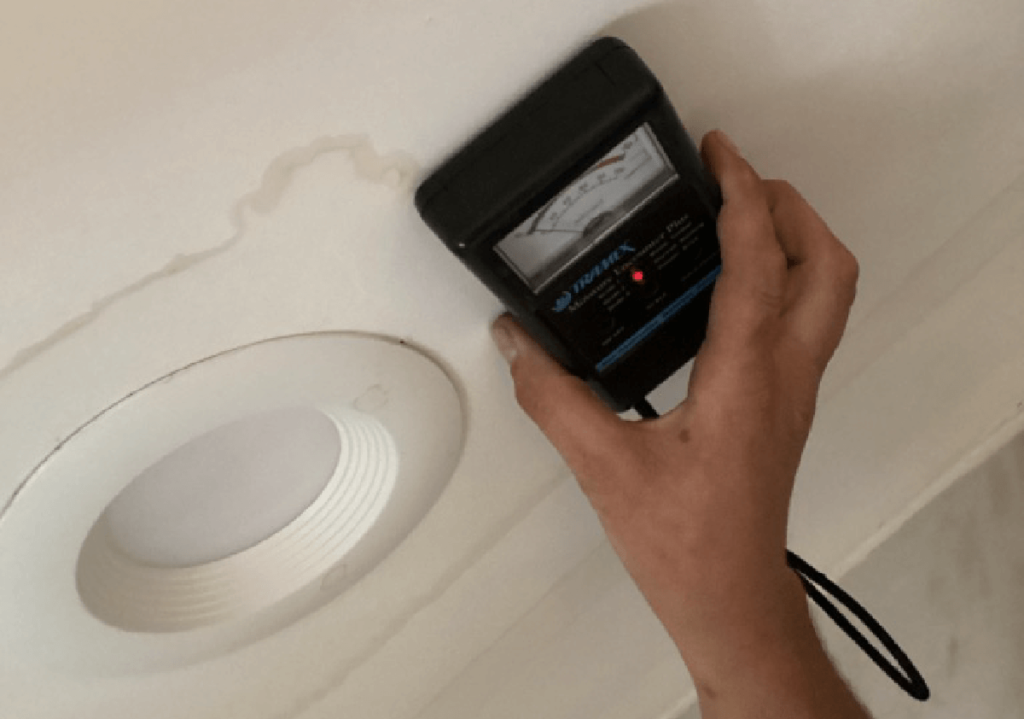
Identifying water damage early is essential to prevent more severe problems down the line. Many signs of water damage are visible, but some are more subtle and require a keen eye. By understanding what to look for, you can take swift action to address issues before they become major headaches.
- Visual Cues: Look for stains on walls and ceilings, peeling paint, swollen drywall, and warped walls.
- Smell: Musty odors often indicate hidden mold or water damage.
- Touch: A soft or spongy feel to walls and floors can signal water damage.
- Mold Growth: Visible mold on baseboards and walls is a clear sign of water intrusion.
- Advice: If you notice any of these signs, contact a professional for a thorough water damage and mold inspection.
Health Risks Associated with Water Damage
Water damage can lead to several health risks, particularly when mold or contaminated water is involved. Mold spores and bacteria thrive in moist environments, potentially causing respiratory problems, allergic reactions, and other health issues. Understanding these risks can help you take preventative measures to protect yourself and your family.
- Mold-Related Health Issues: Mold can cause allergies, respiratory problems, and skin irritation.
- Contaminated Water Hazards: Exposure to gray or black water can lead to bacterial infections.
- Long-Term Health Concerns: Chronic exposure to mold or bacteria can worsen asthma and other respiratory conditions.
Preventing Water Damage in Philadelphia Homes and Businesses
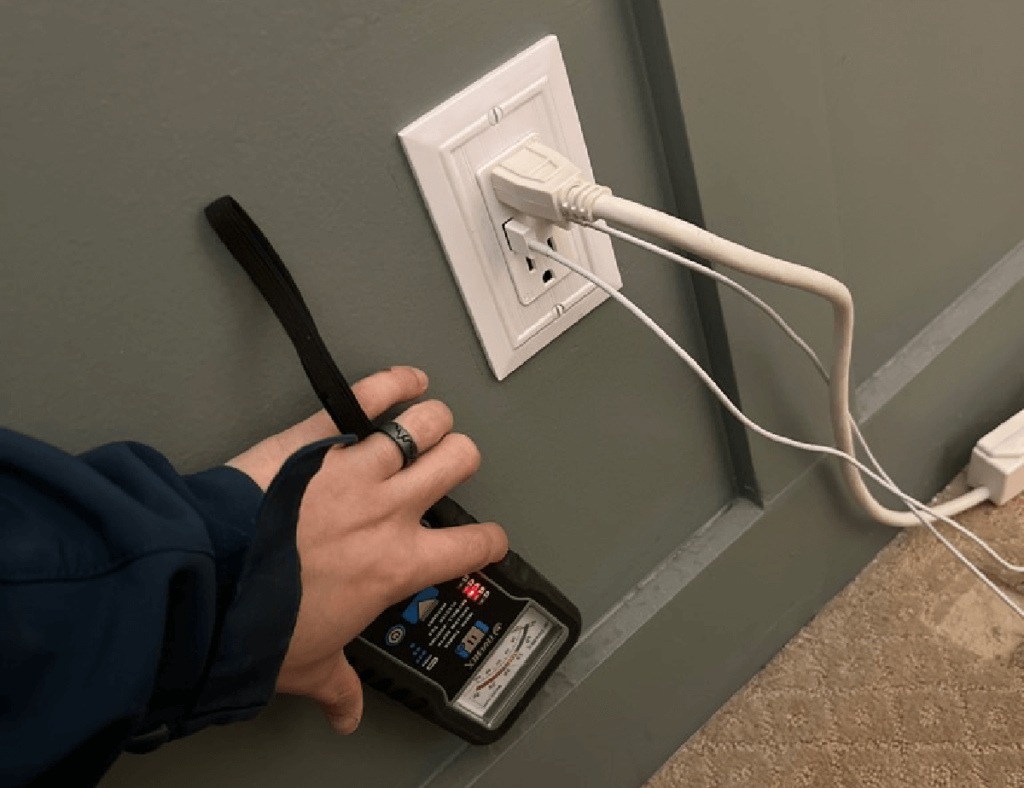
Prevention is always better than cure when it comes to water damage. In Philadelphia, where weather patterns and aging infrastructure pose ongoing risks, taking proactive steps is crucial. Simple maintenance and preventative measures can save you from the headache and cost of significant water damage.
- Regular Inspections: Conduct routine plumbing, utility systems, and appliance inspections to catch potential problems early.
- Proper Drainage Systems: Ensure gutters and downspouts are properly installed and maintained to prevent water accumulation and seeping down exterior walls and intofoundation.
- Waterproofing and Sealing: Seal basements and foundations to keep water out and structural materials dry.
- HVAC and Sump Pump Maintenance: Regularly check and service HVAC units and sump pumps to prevent failures and ensure moisture is regulated efficiently throughout the home or building.
Water damage is a serious concern for Philadelphia homeowners, business owners, and property managers. Understanding the types of damage, recognizing the signs, and knowing when to act can save you time, headaches, and money. If you suspect water damage, don’t wait—contact Rytech Restoration of Northeast Philadelphia for a free inspection or 24-hour emergency assistance.
When to Call for Professional Help
Knowing when to call a water damage service in Philadelphia can make all the difference. While minor issues can sometimes be handled on your own, extensive damage or recurring problems require the expertise of a professional restoration service. Acting quickly can prevent further damage and reduce overall water damage restoration costs.
- Signs You Need an Expert: Extensive water staining, recurring mold, and structural damage are signs you need professional help.
- Emergency Response: Rytech Restoration of Northeast Philadelphia offers 24/7 emergency response to handle urgent water damage situations.
- Expertise and Certification: Our IICRC-certified technicians follow industry standards to ensure thorough and safe restoration.
Why Choose Rytech Restoration of Northeast Philadelphia?

Choosing the right Philadelphia restoration company is vital for effectively addressing water damage. Rytech Restoration of Northeast Philadelphia offers a combination of local expertise, experience, and customer-centric services. Our deep understanding of Philadelphia’s unique challenges makes us the best choice for handling all your water damage needs.
- Local Expertise: We have extensive knowledge of Philadelphia’s unique climate, aging infrastructure, and building styles.
- Experience and Credentials: With over 29 years of experience, Rytech’s network comprises IICRC-certified experts who adhere to the highest industry standards and training.
- Customer-Centric Approach: We prioritize minimal demolition and fast, effective restoration, aiming to restore rather than replace.
Insurance Assistance: We help you navigate insurance claims and ensure proper documentation for your peace of mind.


